

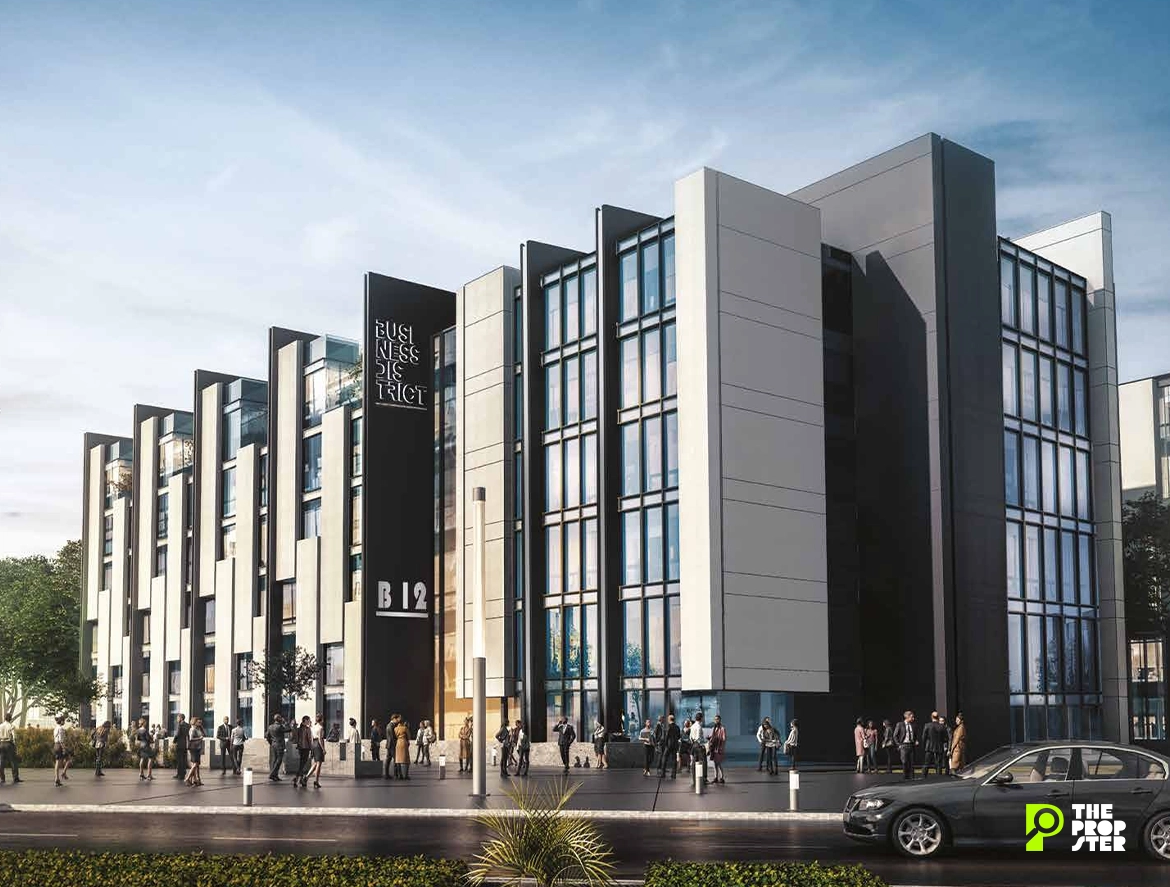
The commercial real estate business remains one of the largest and most resilient global asset classes, with a market value exceeding $30 trillion worldwide. In major markets like the United States, annual commercial property transactions have surpassed $500 billion in peak years, reflecting strong investor confidence in income-generating assets.
Retail continues to play a vital role, as prime commercial retail property for sale typically offers cap rates ranging between 5% and 8%, depending on location and tenant quality. Additionally, commercial investment real estate is widely recognized for its stable cash flow, portfolio diversification benefits, and long-term appreciation potential.
With growing urban development and rising demand for high-quality assets, opportunities within the commercial real estate business remain strong for strategic investors.
Driving Success in the Commercial Real Estate Business
The commercial real estate business continues to be one of the most profitable and resilient sectors in the global property market. Investors, developers, and business owners are increasingly turning to commercial assets to generate steady income, long-term appreciation, and portfolio diversification.
Success in the commercial real estate business depends on strategic planning, data-driven investment decisions, and identifying high-performing assets such as commercial retail property for sale and other forms of commercial investment real estate.
Why the Commercial Real Estate Business Is Growing
The growth of the commercial real estate business is fueled by increasing demand for retail spaces, office environments, mixed-use developments, and income-generating properties. As economies expand and urban development accelerates, the demand for well-located commercial properties continues to rise.
Key factors driving the commercial real estate business include:
- Strong rental income potential
- Long-term lease agreements
- Higher return on investment (ROI) compared to residential assets
- Portfolio diversification opportunities
- Inflation-hedging benefits
Investors who understand market cycles and property valuation strategies gain a competitive advantage in the commercial real estate business.
Finding the Right Commercial Retail Property for Sale
Identifying the right commercial retail property for sale is a critical step toward building a successful commercial portfolio. Retail properties located in high-traffic areas, near residential communities, or within thriving commercial districts often deliver strong and consistent returns.
When evaluating a commercial retail property for sale, investors should consider:
- Location and accessibility
- Foot traffic and visibility
- Tenant quality and lease terms
- Surrounding economic growth
- Long-term appreciation potential
A strategically selected commercial retail property for sale can provide stable cash flow while increasing in value over time.
Building Wealth Through Commercial Investment Real Estate
Commercial investment real estate plays a central role in the success of the commercial real estate business. These properties are acquired specifically to generate income, increase capital value, or both.
Successful commercial investment real estate strategies include:
- Acquiring value-add properties
- Investing in income-producing retail or office assets
- Diversifying across property types
- Enhancing asset value through redevelopment or repositioning
By leveraging professional asset management and financial forecasting, investors in commercial investment real estate can maximize returns while minimizing risk.
Strategies to Succeed in the Commercial Real Estate Business
To thrive in the competitive commercial real estate business, investors and companies should:
- Conduct comprehensive market research
- Analyze financial metrics such as cap rates and net operating income
- Focus on high-demand commercial retail property for sale
- Develop long-term commercial investment real estate strategies
- Work with experienced brokers and property advisors
A well-structured approach ensures sustainable growth and consistent profitability.
The Pillars of a Successful CRE Business
Building a strong and sustainable CRE business (Commercial Real Estate business) requires more than property transactions — it demands strategy, market expertise, financial intelligence, and long-term vision. In today’s competitive landscape, success in the commercial real estate business depends on mastering the core pillars that drive profitability and growth.
Below are the essential pillars of a successful CRE business.
Strategic Market Research and Data Analysis
A thriving CRE business begins with deep market knowledge. Understanding supply and demand trends, property values, rental rates, and economic indicators allows investors and operators to make informed decisions.
Successful commercial real estate professionals rely on:
- Local and regional market analytics
- Demographic and consumer behavior insights
- Cap rate and ROI analysis
- Competitive property benchmarking
Data-driven decisions reduce risk and increase long-term returns in the commercial real estate business.
Strong Financial Structuring
Financial expertise is a foundational pillar of any successful CRE business. Whether acquiring office buildings, retail centers, or mixed-use developments, proper financial structuring determines profitability.
Key financial components include:
- Accurate property valuation
- Net Operating Income (NOI) optimization
- Smart leverage and financing strategies
- Risk-adjusted return forecasting
In the commercial real estate business, strong financial planning separates average investors from high-performing portfolios.
High-Quality Asset Acquisition
The strength of a CRE business lies in the quality of its assets. Identifying high-demand properties — including commercial retail property for rent and other income-producing assets — is critical.
Smart acquisition strategies focus on:
- Prime locations with growth potential
- Strong tenant mix and long-term leases
- Value-add opportunities
- Market-driven pricing
Careful selection of commercial investment real estate ensures steady cash flow and capital appreciation.
Effective Asset and Property Management
Acquiring property is only the beginning. Sustainable success in a CRE business requires proactive asset management to maximize income and maintain property value.
Effective management includes:
- Tenant relationship management
- Lease optimization
- Maintenance and operational efficiency
- Strategic repositioning when necessary
A well-managed commercial property enhances long-term value and strengthens overall portfolio performance.
Risk Management and Diversification
The commercial real estate business is influenced by economic cycles, interest rates, and market shifts. A successful CRE business mitigates risk through:
- Portfolio diversification across property types
- Geographic expansion
- Long-term lease structures
- Conservative financial modeling
Balanced exposure across different segments of commercial investment real estate helps protect against volatility.
Strong Industry Relationships and Reputation
Trust and reputation are invaluable assets in the commercial real estate business. Long-term success depends on building relationships with investors, tenants, lenders, and brokers.
A strong professional network provides:
- Access to off-market commercial retail property for sale
- Favorable financing opportunities
- Strategic partnerships
- Repeat business and referrals
Credibility and transparency position a CRE business as a market leader.
Adapting to Market Changes with Advanced Analytics in the Commercial Real Estate Business
In today’s fast-evolving property landscape, the ability to adapt quickly is essential for success in the commercial real estate business. Market fluctuations, changing consumer behavior, economic shifts, and interest rate movements all impact property performance. Companies that leverage advanced analytics gain a powerful competitive advantage in navigating these changes.
Advanced data analysis is no longer optional in the commercial real estate business — it is a strategic necessity.
The Role of Advanced Analytics in a CRE Business
Modern CRE business strategies rely heavily on data-driven insights. Advanced analytics allows investors and developers to identify trends, forecast performance, and reduce uncertainty.
Key benefits of analytics in the commercial real estate business include:
- Real-time market trend monitoring
- Accurate property valuation modeling
- Risk assessment and scenario planning
- Demand forecasting for commercial retail property for sale
- Portfolio performance optimization
By integrating predictive analytics tools, companies can anticipate market shifts instead of reacting to them.
Predicting Demand for Commercial Retail Property for Sale
Understanding demand patterns is critical when evaluating commercial retail property for sale. Advanced analytics helps identify:
- High-traffic retail corridors
- Consumer spending behavior
- Population growth trends
- Competitive retail saturation levels
Using geographic information systems (GIS), AI-powered forecasting models, and demographic data enables investors to make smarter acquisition decisions within the commercial real estate business.
Enhancing Commercial Investment Real Estate Performance
For investors focused on commercial investment real estate, analytics improves both acquisition and asset management strategies.
Data-driven insights support:
- Cap rate and yield comparisons
- Lease optimization analysis
- Tenant performance tracking
- Expense ratio benchmarking
- Value-add opportunity identification
In the competitive commercial real estate business, analytics-driven decision-making maximizes ROI while minimizing exposure to risk.
Risk Mitigation Through Predictive Modeling
Economic cycles directly impact the commercial real estate business. Advanced predictive modeling allows CRE professionals to simulate different scenarios such as:
- Interest rate increases
- Economic downturns
- Shifts in retail demand
- Tenant vacancy risks
This proactive approach strengthens long-term stability in commercial investment real estate portfolios.
Technology Integration as a Competitive Advantage
Forward-thinking leaders in the commercial real estate business are integrating:
- Artificial Intelligence (AI)
- Machine Learning (ML)
- Big Data analytics
- Automated financial dashboards
- Smart property management systems
These technologies provide deeper visibility into property performance and market behavior, enabling faster and more confident decision-making.
Adapting to Market Shifts in the Commercial Real Estate Business
In a rapidly evolving economy, adapting to market shifts is essential for sustained success in the commercial real estate business. Economic cycles, changing consumer behavior, technological advancements, and regulatory updates continuously reshape the landscape of commercial investment real estate. Companies that remain flexible, data-driven, and strategically proactive are better positioned to protect assets and capitalize on new opportunities.
Understanding Market Shifts in Commercial Real Estate
Market shifts in the commercial real estate business can occur due to:
- Interest rate fluctuations
- Inflation and economic uncertainty
- Changes in retail demand
- Remote work trends impacting office spaces
- Urban development and infrastructure growth
Recognizing early indicators allows investors to adjust acquisition, leasing, and asset management strategies before disruptions impact performance.
Repositioning Commercial Retail Property for Sale
Retail markets are particularly sensitive to economic and consumer behavior changes. Owners of commercial retail property for sale must evaluate tenant mix, lease structures, and location relevance to remain competitive.
Adapting retail assets may involve:
- Transitioning to mixed-use developments
- Securing long-term anchor tenants
- Enhancing property visibility and accessibility
- Incorporating experiential retail concepts
Strategic repositioning strengthens property value and ensures continued demand within the commercial real estate business.
Diversifying Commercial Investment Real Estate Portfolios
Diversification is a powerful risk mitigation strategy in the commercial investment real estate sector. Investors who spread assets across retail, industrial, office, and mixed-use properties reduce exposure to sector-specific downturns.
Smart diversification includes:
- Geographic expansion into growth markets
- Balancing stabilized income assets with value-add opportunities
- Monitoring cap rates and cash flow trends
- Maintaining strong liquidity reserves
A diversified portfolio increases resilience during economic fluctuations.
Leveraging Data and Technology
Modern leaders in the commercial real estate business rely on advanced analytics, AI-powered forecasting, and real-time market data to adapt quickly. Technology enables:
- Accurate demand forecasting
- Vacancy rate analysis
- Financial performance tracking
- Competitive market benchmarking
Data-driven decisions improve agility and enhance long-term profitability in commercial investment real estate.
Strengthening Financial and Operational Flexibility
To adapt effectively, businesses must maintain financial discipline and operational flexibility. This includes:
- Negotiating adaptable lease structures
- Refinancing when favorable opportunities arise
- Reducing operational inefficiencies
- Continuously reviewing portfolio performance
Strong financial management ensures stability even when market conditions shift unexpectedly.
Market Entry and Exit Strategies in the Commercial Real Estate Business
Success in the commercial real estate business depends not only on acquiring the right assets but also on knowing when and how to enter or exit a market strategically. Well-planned market entry and exit strategies are critical for maximizing returns in commercial investment real estate while minimizing exposure to risk.
Understanding timing, market cycles, and asset positioning allows investors to build resilient and profitable portfolios.
Strategic Market Entry in the Commercial Real Estate Business
Entering a new market within the commercial real estate business requires comprehensive research and calculated decision-making. Investors must analyze economic indicators, supply and demand trends, and long-term growth potential before committing capital.
Key components of a successful market entry strategy include:
- Evaluating local economic growth and infrastructure development
- Analyzing vacancy rates and rental demand
- Assessing cap rates and projected ROI
- Identifying high-demand commercial retail property for sale
- Understanding regulatory and zoning requirements
Entering at the right stage of the market cycle can significantly enhance returns in commercial investment real estate.
Targeting the Right Commercial Retail Property for Sale
For investors expanding into new markets, selecting the right commercial retail property for sale is essential. Retail assets located in prime areas with strong foot traffic and stable tenant profiles often provide reliable income streams.
Before acquiring a commercial retail property for sale, investors should consider:
- Tenant creditworthiness and lease duration
- Market competition and consumer demographics
- Property appreciation potential
- Long-term urban development plans
A disciplined acquisition strategy strengthens long-term performance in the commercial real estate business
Timing the Exit in Commercial Investment Real Estate
An effective exit strategy is just as important as market entry in the commercial investment real estate sector. Exiting at the optimal time can lock in capital gains and improve portfolio liquidity.
Common exit strategies in the commercial real estate business include:
- Selling during peak market conditions
- Refinancing to extract equity
- 1031 exchange strategies (where applicable)
- Portfolio restructuring and asset reallocation
- Converting property use to increase value before sale
Monitoring market cycles, interest rates, and buyer demand helps determine the ideal timing for exit.
Risk Management and Capital Preservation
Both entry and exit strategies in the commercial real estate business should prioritize risk management. Investors must maintain flexibility to respond to:
- Economic downturns
- Changes in tenant demand
- Interest rate fluctuations
- Regulatory adjustments
Diversification across different types of commercial investment real estate enhances stability and protects long-term capital.
Leveraging Data for Smarter Decisions
Modern leaders in the commercial real estate business use advanced analytics to guide both entry and exit strategies. Data-driven insights allow for:
- Accurate valuation modeling
- Market timing analysis
- Performance forecasting
- Buyer demand assessment
By leveraging analytics, investors can reduce uncertainty and improve profitability.
Real-Time Data for Decision Making in the Commercial Real Estate Business
- Enables faster and more accurate decisions in the commercial real estate business.
- Provides instant insights into market trends, supply, and demand shifts.
- Supports continuous performance tracking of commercial investment real estate assets.
- Helps determine the optimal timing to buy or sell commercial retail property for sale.
- Monitors occupancy rates, rental income, and cash flow in real time.
- Reduces risk through early detection of market fluctuations.
- Improves pricing strategies based on live market data.
- Enhances portfolio management efficiency and asset optimization.
- Strengthens negotiation strategies with data-backed insights.
- Increases investor confidence through transparent, real-time reporting.
Impact of Upcoming Elections on CRE Policies
Upcoming elections can significantly influence the direction of policies affecting the commercial real estate business. Changes in political leadership often bring adjustments in taxation, regulation, infrastructure spending, and economic priorities — all of which directly impact commercial investment real estate.
Here are the key areas where elections may affect the CRE sector:
- Tax Policy Changes
Potential revisions to capital gains tax, corporate tax rates, or 1031 exchange rules can directly impact profitability in commercial investment real estate. - Interest Rate and Monetary Policy Direction
While central banks operate independently, new administrations may influence broader economic policies that affect lending conditions in the commercial real estate business. - Zoning and Land Use Regulations
Local and national elections can reshape zoning laws, permitting processes, and development approvals, affecting new commercial retail property for sale and mixed-use projects. - Infrastructure and Urban Development Spending
Government investment in transportation, public services, and urban renewal can increase property values and create new opportunities in commercial retail property for sale. - Environmental and Sustainability Regulations
New policies may introduce stricter ESG requirements, building efficiency standards, and carbon regulations impacting asset management strategies. - Tenant and Business Regulations
Labor laws, minimum wage adjustments, and small business incentives can influence tenant stability in retail and office properties. - Foreign Investment Policies
Changes in international trade and foreign ownership rules can impact capital flows into commercial investment real estate markets.
Strategic Considerations for CRE Investors
To navigate election-related uncertainty, professionals in the commercial real estate business should:
- Diversify across asset classes and geographic regions
- Monitor proposed legislation and policy platforms
- Maintain financial flexibility and liquidity
- Strengthen long-term lease structures
- Use scenario planning and risk analysis models
While elections may introduce short-term volatility, well-prepared investors in commercial investment real estate can position themselves to capitalize on policy-driven market shifts.
Conclusion
The commercial real estate business continues to offer compelling opportunities for investors and developers seeking stable income and long-term growth. Whether identifying strategic commercial retail property for sale or expanding diversified commercial investment real estate portfolios, success depends on informed decision-making, market insight, and proactive strategy.
Platforms like The Propster are helping to reshape how investors and businesses discover and transact commercial properties in markets such as Egypt. The Propster provides a dedicated online hub for finding offices, shops, clinics, and other commercial units — streamlining the search for commercial real estate for sale and empowering buyers, sellers, and agents with advanced tools and property listings all in one place.
What is a Commercial Real Estate Business?
A Commercial Real Estate Business focuses on buying, selling, leasing, and managing income-producing properties such as retail stores, office buildings, and mixed-use developments. The goal is to generate long-term returns through commercial investment real estate.
Why invest in a Commercial Real Estate Business?
Investing in a Commercial Real Estate Business offers stable cash flow, long-term appreciation, portfolio diversification, and protection against inflation compared to many other asset classes.
What is considered commercial investment real estate
Commercial investment real estate includes properties acquired primarily to generate income. This can include retail units, office spaces, shopping centers, warehouses, and mixed-use properties.
How do I find the right commercial retail property for sale?
To find the right commercial retail property for sale, investors should evaluate location, foot traffic, tenant quality, lease terms, market demand, and long-term growth potential.



Join The Discussion