

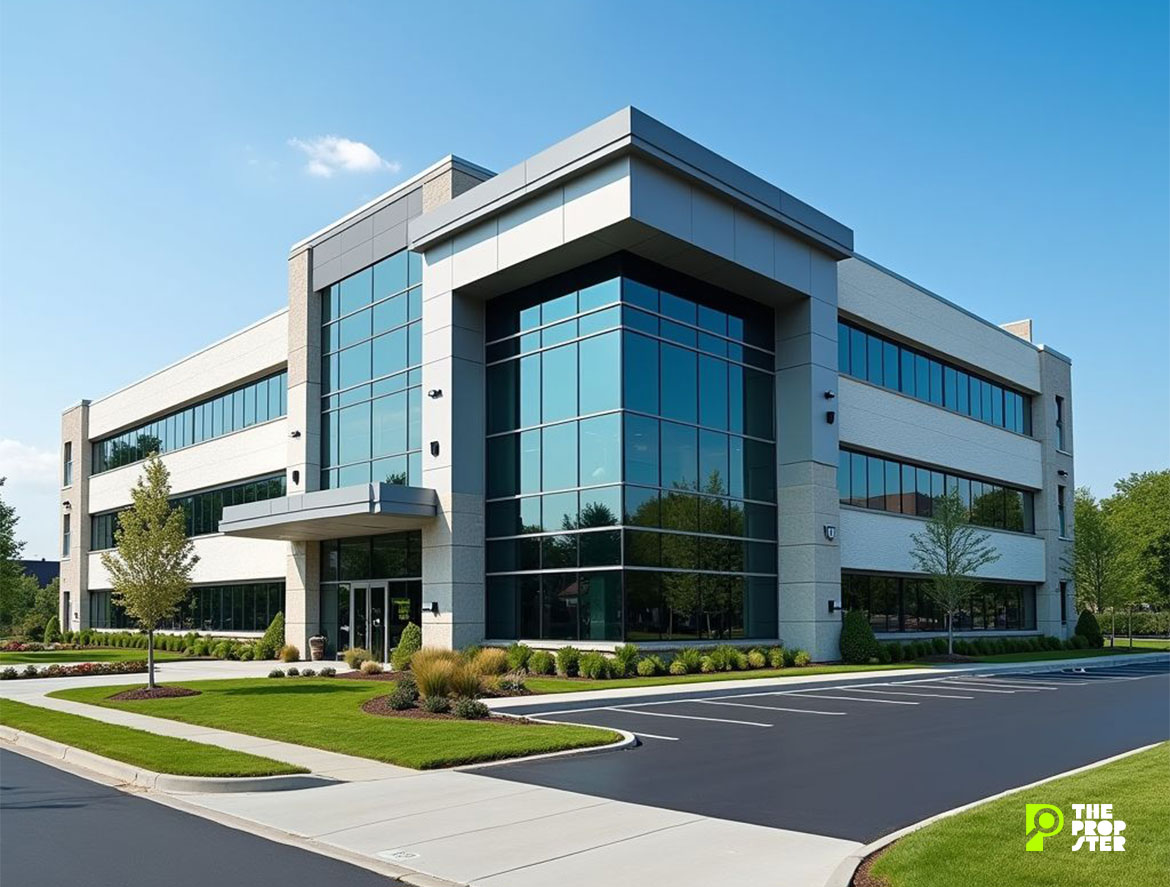
The global market for industrial commercial real estate has never been more dynamic or more rewarding for savvy investors and business owners. Whether you are an entrepreneur searching for a strategic operational base, a seasoned investor seeking stable long-term returns, or a growing company in need of expansion space, understanding the landscape of industrial commercial real estate is the critical first step toward making a sound decision.
In recent years, demand for commercial industrial property for sale has surged dramatically. Driven by the explosive growth of e-commerce, advanced manufacturing, logistics, and technology sectors, industrial real estate has emerged as one of the most resilient and high-yielding asset classes available. According to industry reports, global commercial property transaction volumes exceeded $1.3 trillion in 2023, with industrial and logistics assets accounting for over 25% of total investment.
This comprehensive guide will walk you through every critical aspect of the market — from definitions and property types to investment strategies, pricing factors, common pitfalls, and future market trends. By the end, you will have the knowledge and confidence to identify, evaluate, and acquire the ideal business property for sale that aligns with your specific goals.
1. Defining Industrial Commercial Real Estate: Types and Categories
Before exploring the market, it is essential to understand what industrial commercial real estate actually encompasses. Unlike residential real estate, which focuses on housing, industrial and commercial properties are designed primarily for business operations, production, storage, and trade.
Main Categories of Industrial Commercial Real Estate
- Warehouses and Distribution Centers: These are among the most actively traded types of commercial industrial property for sale today. Fueled by the rise of online retail and same-day delivery expectations, warehouse space has become a premium asset in virtually every major metropolitan area.
- Manufacturing Facilities: Purpose-built plants equipped with heavy-duty electrical systems, loading docks, and reinforced flooring. These properties range from small-scale fabrication shops to large industrial campuses spanning hundreds of thousands of square feet.
- Flex Space Properties: A hybrid category that blends office space with light industrial use. Flex properties are ideal for tech companies, research and development firms, and businesses that require both administrative and operational space under one roof.
- Cold Storage and Refrigerated Facilities: A fast-growing niche within industrial commercial real estate, driven by pharmaceutical supply chains, food distribution, and biotech companies.
- Showroom and Retail Industrial Hybrids: Properties that combine storefront retail with warehouse or workshop space at the rear — popular for auto dealers, building supply companies, and specialty retailers.
- Business Parks and Industrial Estates: Planned developments containing multiple industrial units or buildings within a single managed complex, offering shared infrastructure, security, and amenities.
Understanding which category best suits your operational needs or investment thesis is the foundation of a successful search for business property for sale. Each category carries distinct zoning requirements, valuation methods, and tenant profiles that directly impact your investment returns.
2. Why Invest in Commercial Industrial Property For Sale?
Investing in commercial industrial property for sale offers a compelling combination of stability, cash flow, and long-term capital appreciation that few other asset classes can match. Here is why institutional investors, family offices, and individual entrepreneurs are increasingly allocating capital to industrial commercial real estate.
Strong and Consistent Cash Flows
Industrial tenants — from logistics operators to manufacturers — typically sign long-term leases ranging from five to fifteen years. This lease structure provides property owners with predictable, high-quality income streams. Unlike residential properties, commercial and industrial properties for sale are leased on a triple-net (NNN) basis in many markets, meaning the tenant bears the costs of taxes, insurance, and maintenance. This dramatically reduces the landlord’s management burden while protecting net income.
Resilience During Economic Cycles
Industrial commercial real estate has historically demonstrated remarkable resilience during economic downturns. While retail and office markets experienced severe disruptions during the COVID-19 pandemic, industrial and logistics assets saw vacancy rates fall to record lows. The pandemic accelerated e-commerce adoption by an estimated five years, creating unprecedented demand for last-mile delivery facilities and fulfillment centers.
Capital Appreciation and Value-Add Opportunities
Many investors who acquire business property for sale in strategic locations benefit from significant land appreciation over time. Industrial land in key logistics corridors near major ports, highways, and urban centers has appreciated at rates exceeding 8–12% annually in many markets over the past decade.
Key Benefits at a Glance
- Higher yields compared to residential real estate (typically 5–8% cap rates in mature markets)
- Long lease terms provide income stability and reduced vacancy risk
- Lower management intensity due to triple-net lease structures
- Strong tenant covenant quality — industrial tenants are often established businesses
- Growing demand driven by e-commerce, manufacturing reshoring, and supply chain diversification
- Tax advantages, including depreciation deductions and cost segregation strategies
Whether you are purchasing commercial industrial property for sale as an owner-occupier seeking operational control, or as a pure investment to generate passive income, the financial case for entering this market is compelling.
3. How to Find the Right Business Property For Sale: A Step-by-Step Guide
Finding the ideal business property for sale requires a disciplined, research-driven approach. The industrial real estate market can be highly competitive, with premium properties in sought-after locations often transacting off-market before they are publicly listed. Here is a proven step-by-step process to help you identify and secure the right commercial industrial property for sale.
Step 1: Define Your Requirements Clearly
Before engaging brokers or browsing listings, document your precise requirements. Consider total square footage needed, ceiling clearance height (critical for warehousing and manufacturing), number of loading docks, power supply capacity, zoning classification, and proximity to transportation infrastructure such as highways, ports, or rail terminals.
Step 2: Identify Target Markets and Submarkets
Industrial commercial real estate values and availability vary dramatically by location. Conduct market research to identify submarkets that align with your labor pool needs, customer proximity, and logistics requirements. Analyze vacancy rates, asking rents, and recent sales comparables to understand pricing dynamics.
Step 3: Engage a Specialist Industrial Broker
Not all commercial real estate brokers specialize in industrial properties. Seek out brokers with a proven track record, specifically in commercial and industrial property for sale transactions. A specialist will have access to off-market deals, deep knowledge of local zoning regulations, and established relationships with major industrial landlords and developers.
Step 4: Conduct Thorough Due Diligence
Once you identify a promising business property for sale, engage engineers, environmental consultants, and legal counsel to conduct comprehensive due diligence. Key areas to investigate include environmental contamination history (Phase I and Phase II Environmental Site Assessments), structural integrity, utility capacity, flood zone status, and title encumbrances.
Step 5: Secure Financing Early
Obtain pre-approval or a term sheet from lenders before submitting offers on commercial industrial property for sale. Industrial property financing typically requires a 25–35% down payment, and lenders will assess the property’s income-generating capacity alongside your creditworthiness. SBA 504 loans are a popular financing tool for owner-occupiers purchasing business property for sale in the United States.
4. Key Factors That Influence Industrial Commercial Real Estate Pricing
Understanding the factors that drive pricing in industrial and commercial real estate is essential for both buyers and sellers. Overpaying for a commercial industrial property for sale can erode your investment returns for years, while underpricing an asset leaves money on the table.
- Location and Accessibility: Proximity to major transportation nodes — interstate highways, rail terminals, seaports, and airports — is the single most important pricing factor in industrial commercial real estate. Properties within last-mile delivery zones of major urban centers command premium pricing.
- Clear Height and Functional Specifications: Modern logistics tenants require minimum clear heights of 32–40 feet. Properties that meet contemporary specifications command higher rents and sale prices than functionally obsolete older buildings.
- Land-to-Building Ratio: Properties with surplus land for future expansion, additional trailer parking, or outdoor storage command a significant premium when marketed as business property for sale.
- Lease Quality and Tenure: Properties with long-term leases in place from creditworthy tenants trade at compressed cap rates, reflecting the lower perceived risk to the buyer.
- Market Supply and Demand Dynamics: In supply-constrained markets with low vacancy rates, values for commercial industrial property for sale tend to rise rapidly. Monitor construction pipeline data to anticipate future supply.
- Environmental Condition: A clean environmental history is a prerequisite for most institutional buyers. Any known contamination — even if remediated — will discount the value of a business property for sale significantly.
5. Common Mistakes to Avoid When Buying Commercial Industrial Property For Sale
Even experienced investors and business owners make costly errors when purchasing commercial industrial property for sale. Awareness of these common pitfalls can save you significant time, money, and frustration.
Ignoring Zoning and Use Restrictions
Many buyers of business property for sale fail to verify that the property’s zoning classification permits their intended use. Zoning codes for industrial commercial real estate can be highly specific, distinguishing between light industrial, heavy industrial, hazardous materials handling, and mixed-use categories. Always confirm zoning compliance before making an offer.
Underestimating Capital Expenditure Requirements
Older industrial buildings often require substantial capital investment to bring them to modern operational standards. Roof replacements, electrical upgrades, HVAC installations, and dock leveler replacements are common costs that buyers of commercial industrial property for sale overlook during initial underwriting.
Skipping Environmental Assessments
In industrial commercial real estate, environmental risk is ever-present. Former uses of a property — such as dry cleaning, auto repair, fuel storage, or chemical manufacturing — may have left contamination in the soil or groundwater. Purchasing a business property for sale without proper Phase I and Phase II environmental assessments can result in remediation liabilities that dwarf the property’s value.
6. Future Market Trends in Industrial Commercial Real Estate
The future trajectory of industrial commercial real estate is being shaped by several powerful macro trends that savvy investors are already positioning around.
- E-Commerce and Last-Mile Logistics: Online retail penetration continues to grow globally, with forecasts projecting that e-commerce will represent over 25% of all retail sales by 2027. This trend is creating insatiable demand for last-mile fulfillment centers located close to urban population centers — the most sought-after category of commercial industrial property for sale.
- Manufacturing Reshoring and Near-Shoring: Geopolitical tensions, supply chain vulnerabilities exposed by the pandemic, and rising labor costs in Asia are driving a significant reshoring and near-shoring of manufacturing operations to North America and Europe. This trend is generating robust demand for new manufacturing and assembly facilities as business property for sale.
- Sustainability and Green Industrial Buildings: ESG (Environmental, Social, and Governance) criteria are increasingly driving corporate real estate decisions. Properties with solar installations, LED lighting, EV charging infrastructure, and LEED certification command rental premiums and attract higher-quality tenants in the industrial commercial real estate market.
- Automation and Robotics Integration: The rise of warehouse automation — from autonomous mobile robots to automated storage and retrieval systems — is changing the physical requirements for industrial buildings. Properties designed to accommodate automation infrastructure will command premiums over conventional warehouse space.
- Data Centers and Cold Storage: Two of the fastest-growing niches within industrial commercial real estate, driven by the explosion of cloud computing and the growth of the food delivery and pharmaceutical sectors, respectively.
Where to Find Verified Commercial Industrial Property For Sale in Egypt
If you are searching for trusted listings of commercial industrial property for sale in Egypt, The Propster is a dedicated commercial real estate platform covering offices, warehouses, retail units, industrial spaces, and more — exclusively focused on commercial properties across Cairo’s key districts, including New Cairo, the New Capital, and Sheikh Zayed City. Unlike general property portals, The Propster specializes solely in business property for sale and rent, making it a reliable starting point for investors and business owners looking to enter Egypt’s growing industrial and commercial real estate market.
Conclusion: Your Path Forward in Industrial Commercial Real Estate
Industrial commercial real estate represents one of the most compelling investment and operational opportunities in today’s property market. Whether you are actively searching for commercial industrial property for sale to house your growing business, or seeking a stable, income-producing asset to anchor your investment portfolio, the industrial sector offers unmatched fundamentals.
The combination of long-term lease structures, triple-net income, strong tenant demand, and powerful macro tailwinds — from e-commerce growth to manufacturing reshoring — makes now an outstanding time to explore available business property for sale in your target markets.
Take action today: engage a specialist broker, define your acquisition criteria, and begin your search for the right industrial commercial real estate opportunity. The market continues to reward well-informed, decisive buyers who act with confidence and clarity
Frequently Asked Questions (FAQ)
What is the difference between industrial commercial real estate and regular commercial real estate?
Industrial commercial real estate specifically refers to properties designed for manufacturing, warehousing, distribution, research, and storage purposes. Regular commercial real estate typically encompasses office buildings, retail centers, hotels, and mixed-use developments. Industrial properties are characterized by features like high clear heights, heavy-duty flooring, dock-high loading doors, and large land areas, which are not found in standard commercial real estate.
How do I evaluate the right price for commercial industrial property for sale?
The primary valuation methods for commercial industrial property for sale are the income capitalization approach (dividing net operating income by the prevailing cap rate), the sales comparison approach (analyzing recent comparable sales), and the cost approach (estimating replacement cost less depreciation). For owner-occupiers, the cost-per-square-foot relative to local market comparables is the most practical benchmark. Always engage a qualified commercial appraiser before finalizing any acquisition.
What should I look for when searching for business property for sale?
When evaluating business property for sale, prioritize location and accessibility, zoning compliance, physical condition and remaining useful life of building systems, environmental clean history, utility capacity, and flexibility for future adaptation. Additionally, consider the quality of surrounding infrastructure, the local labor market, and the long-term development trajectory of the submarket. A business property for sale that meets your needs today should also accommodate your growth projections for at least the next five to ten years.


Join The Discussion