

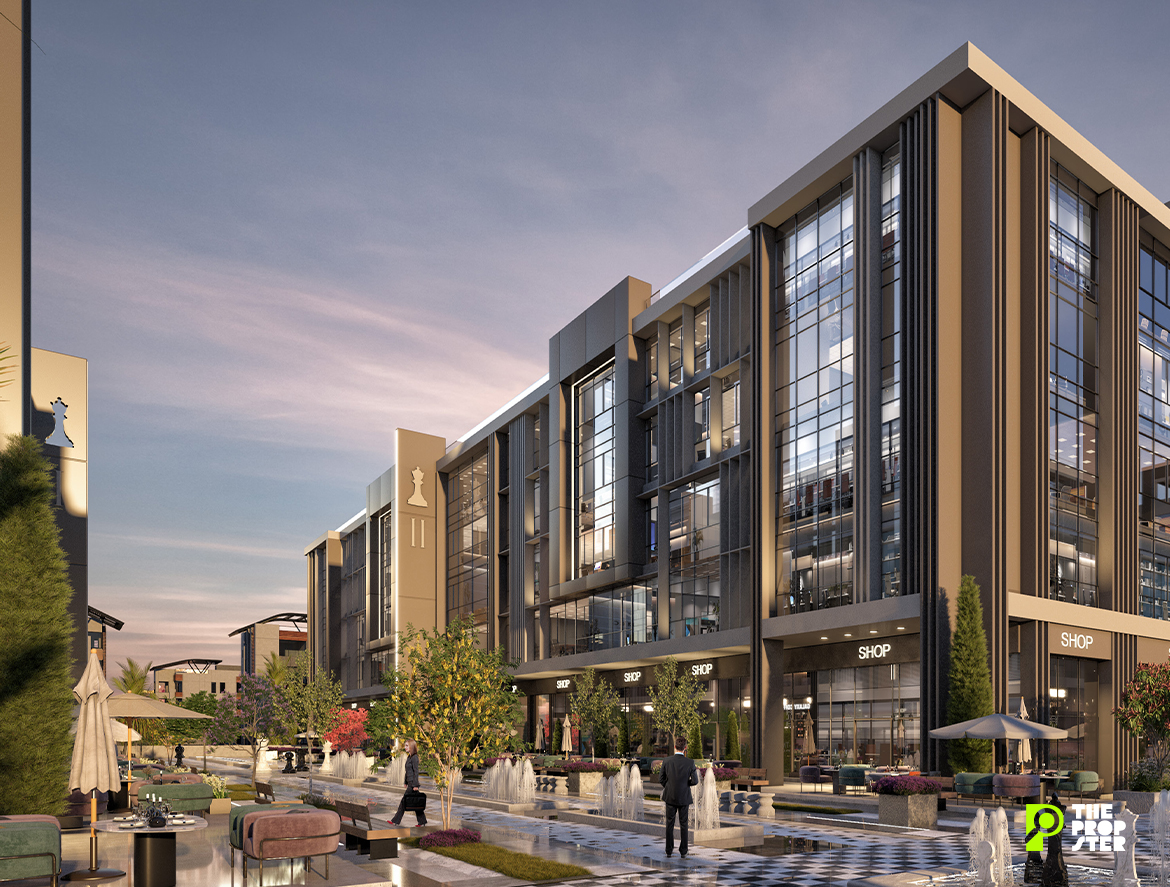
Introduction: Why Real Estate Still Leads Investment Decisions
Real estate represents over 60% of global wealth and remains one of the most attractive investment sectors worldwide. With more than 55% of the global population living in urban areas, demand for well-planned residential, commercial, and mixed-use properties continues to grow.
In 2026, investors increasingly rely on real estate market fundamentals to navigate market cycles and identify opportunities within expanding commercial development zones. Strategically planned mixed-use property projects, in particular, continue to offer stronger resilience, stable income potential, and long-term
Real Estate Fundamentals (2026 Guide): Concepts, Property Types & Profits
Understanding real estate fundamentals is key to success in today’s property market. Whether you are an investor, developer, or first-time buyer, a clear grasp of the basics helps you make smarter decisions, reduce risks, and increase returns. Mastering real estate market fundamentals allows professionals to analyze market cycles, supply and demand, and location value—factors that directly influence residential demand, guide commercial development, and support the growth of mixed-use property projects.
This 2026 real estate guide outlines core concepts, main property types, and the primary ways real estate investments generate profits.
What Are Real Estate Fundamentals?
Real estate fundamentals are the core factors that determine property value and long-term performance, including:
- Location and accessibility
- Supply and demand
- Market cycles
- Cash flow and ROI
- Risk management and sustainability
Understanding these elements helps investors rely on data-driven decisions rather than speculation.
Main Types of Real Estate Properties
The real estate market is divided into key sectors, each serving different investment objectives:
Residential Real Estate
Apartments, villas, and residential compounds driven by steady housing demand.
Commercial Real Estate
Offices, retail spaces, malls, and mixed-use developments focused on rental income and appreciation.
Administrative & Office Units
High-demand spaces in strategic business districts offering long-term leasing stability.
Industrial & Logistics Properties
Warehouses and logistics hubs are benefiting from e-commerce and global trade growth.
Land & Development Opportunities
Higher-risk assets with strong potential returns, depending on planning and infrastructure.
How Real Estate Generates Profits
Real estate investments typically generate returns through:
- Rental income from leased properties
- Capital appreciation as property values rise
- Value-add strategies such as renovation or repositioning
- Off-plan investments purchased at early development stages
Why Real Estate Is a Strong Investment in 2026
Real estate remains a reliable asset class due to:
- Inflation protection
- Portfolio diversification
- Tangible, income-generating value
- Long-term wealth preservation
A solid understanding of real estate fundamentals positions investors for sustainable success in 2026 and beyond.
Real Estate Property Types & Investment Potential
The investment potential of real estate is driven by real estate market fundamentals that influence asset performance and long-term returns, regardless of property classification. Successful investors evaluate opportunities based on the following core factors:
- Market demand strength
Properties in high-demand locations benefit from stronger occupancy rates and more stable rental income. - Location quality and accessibility
Proximity to main roads, business districts, and services plays a major role in value retention and long-term appreciation, especially in areas experiencing active commercial development. - Income sustainability
Assets with predictable rental structures and reliable tenants provide consistent cash flow over time. - Growth and scalability potential
Properties within developing zones or integrated projects, such as mixed-use property developments, often achieve higher appreciation as surrounding infrastructure expands. - Risk management and flexibility
Well-planned assets allow investors to adapt to market shifts and minimize exposure during economic cycles.
By focusing on these fundamentals, investors can identify high-performing opportunities and build resilient
What Are the Fundamentals of Real Estate?
Real estate fundamentals define the key drivers behind property value, market behavior, and long-term investment performance. Understanding real estate market fundamentals enables investors and developers to assess opportunities accurately and base decisions on real data rather than assumptions.
These core fundamentals include:
- Strategic location and connectivity
Properties with strong access to transportation networks, services, and business centers tend to attract higher demand and support sustainable commercial development. - Supply and demand dynamics
Evaluating market balance helps identify growth potential while avoiding oversupplied segments. - Market cycles and performance trends
Recognizing expansion, stability, and correction phases allows for better investment timing. - Income efficiency and return metrics
Analyzing rental performance against operating costs ensures healthy cash flow and consistent returns. - Risk management and long-term resilience
Flexible assets designed for adaptability—especially within mixed use property environments—offer stronger protection against market fluctuations.
By applying these fundamentals, investors can reduce risk exposure, enhance profitability, and adapt successfully to changing real estate market conditions.
What’s the Best Type of Property to Invest in 2026?
In 2026, the most successful property investments are defined less by category and more by performance potential and adaptability. Investors are increasingly focusing on assets that respond to changing business models, lifestyle needs, and urban growth patterns while remaining grounded in solid real estate market fundamentals.
Alternative Criteria for Choosing the Best Property Investment
- Future-ready design
Properties designed to accommodate evolving work, retail, or living trends tend to maintain relevance and demand over time. - Tenant diversity and turnover resistance
Assets that can attract different tenant profiles reduce vacancy risk and support long-term income stability. - Scalability and repositioning potential
Properties that allow expansion, reconfiguration, or functional upgrades offer stronger value creation opportunities. - Alignment with urban planning and zoning direction
Assets located in areas targeted for structured commercial development often benefit from regulatory support and infrastructure growth. - Integration within multi-functional environments
Projects developed as part of a mixed-use property ecosystem typically achieve higher resilience due to continuous activity and diversified demand
Rent or Buy? Make the Right Office Decision
Choosing whether to rent or buy an administrative office can have a direct impact on your business growth and financial flexibility. If you’re still weighing your options, the article Should You Rent or Buy Your Admin Office? A Decision Framework for Growing Businesses provides a clear and practical framework to help you compare costs, scalability, and long-term value before making a decision.
Key Perspectives to Consider When Evaluating Real Estate Properties
- Real estate market fundamentals
Analyzing demand, location strength, and market cycles helps identify properties with sustainable long-term performance. - Commercial development impact
Assets in areas with active commercial development often benefit from higher demand, better infrastructure, and stronger value growth. - Mixed-use property advantage
Properties within mixed-use property projects offer diversified income sources and greater resilience to market fluctuations. - Flexibility and adaptability
Assets designed for multiple uses can respond better to changing market needs and reduce vacancy risk. - Long-term investment positioning
Focusing on future growth drivers ensures stable returns beyond short-term market shifts.
The position of your retail space plays a major role in visibility, foot traffic, and brand perception. Whether you’re considering a ground floor, upper floor, or corner unit, Ground Floor, Upper Floor, or Corner Unit? Choosing the Right Retail Space for Your Brand breaks down how each option impacts performance and helps you select the best space for your brand’s success.
How Market Timing Influences Real Estate Decisions
Timing plays a critical role in real estate success. Understanding real estate market fundamentals allows investors to recognize the right moments to enter, expand, or exit the market. Properties aligned with ongoing commercial development and located within mixed-use property environments often respond more positively to market cycles, offering better protection during slowdowns and stronger growth during recovery phases.
The Hidden Costs Behind Commercial Rentals
Renting a commercial unit may seem straightforward, but the real cost often extends far beyond the advertised rent. In The Real Cost of Renting a Commercial Unit: What Businesses Overlook, you’ll uncover the hidden expenses that can affect your budget, from service charges to operational and fit-out costs—helping you plan more accurately and avoid surprises.
Why The Propster Is Your Go-To Real Estate Knowledge Hub
The Propster is a trusted real estate knowledge platform designed to help investors, businesses, and property seekers make smarter decisions in complex markets. By combining expert insights, in-depth market analysis, and practical investment guides, The Propster simplifies key topics such as real estate market fundamentals, commercial development, and mixed-use property trends. Its data-driven approach empowers readers to evaluate opportunities confidently and build long-term value in today’s evolving real estate landscape.
Conclusion
In 2026, success in real estate depends on a clear understanding of real estate market fundamentals, strategic positioning within growing commercial development areas, and smart selection of resilient mixed use property projects. Investors who rely on data-driven insights and long-term planning are better equipped to minimize risk, maximize returns, and build sustainable value in evolving property markets.
Frequently Asked Questions (FAQs)
What are real estate market fundamentals?
Real estate market fundamentals are the core factors that determine property value and performance, including location, supply and demand, market cycles, cash flow, and risk management.
Why are real estate fundamentals important for investors?
They help investors make data-driven decisions, reduce risk, and identify opportunities with strong long-term returns instead of relying on speculation.
How does commercial development affect property value?
Commercial development improves infrastructure, increases demand, and attracts businesses, which often leads to higher rental income and stronger capital appreciation.
Are mixed use property projects a good investment in 2026?
Yes, mixed use property projects are considered resilient investments because they combine multiple income streams and maintain demand across different market conditions.




Join The Discussion